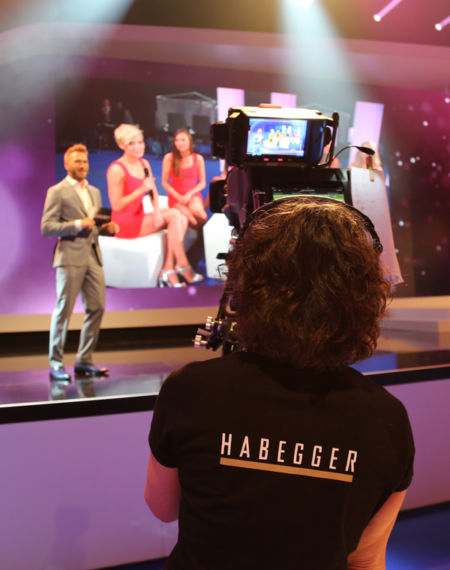
Complex and modern productions only work when technology and expertise interact perfectly in the background. Michael works as a multimedia electronics technician at Habegger and ensures that electronic systems run reliably when it matters. We provide an insight into his everyday work, the biggest challenges he faces and what fascinates him about his job.
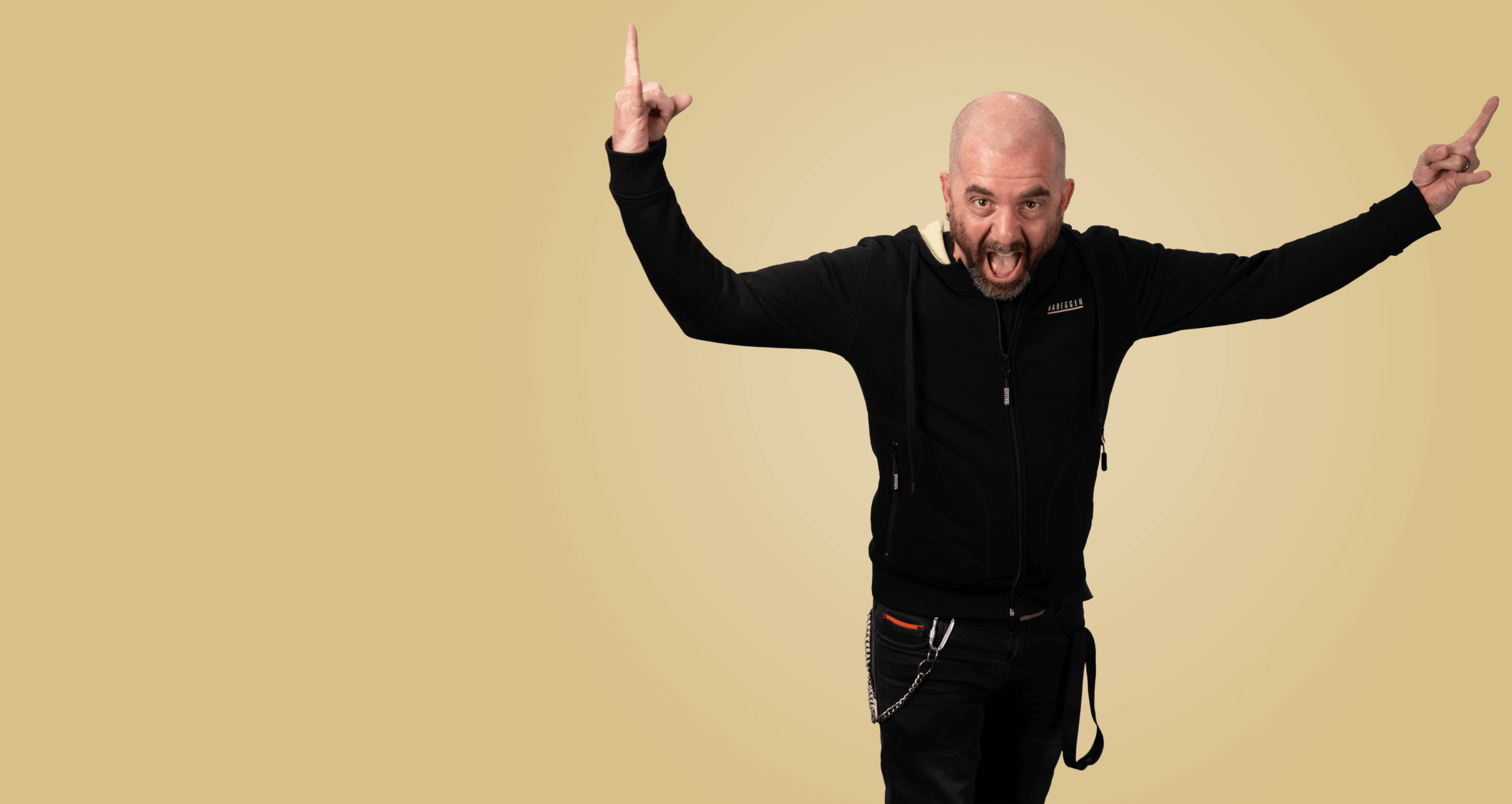
Michael Bachmann, Multimedia Electronics Technician
It was clear early on that technology was his world. Immediately after school, Michael completed an apprenticeship as a multimedia electronics technician, at that time still known as a radio and TV electrician. At the beginning of his career, he worked with tube televisions, video recorders, and classic consumer electronics, gaining extensive professional experience over the years. Today, he brings over 25 years of experience in the technology industry to the table, before his job description evolved over time to become a multimedia electronics technician.
Today, Michael’s working day is characterised by fixed routines. On his three working days per week, which allow him to work part-time and thus achieve a good work-life balance, he first gets an overview: What is broken? What needs to be serviced? A large part of his work involves repairing and maintaining equipment. The maintenance of complex technology is particularly important, for example our ROE LED walls, which must function flawlessly at all times.
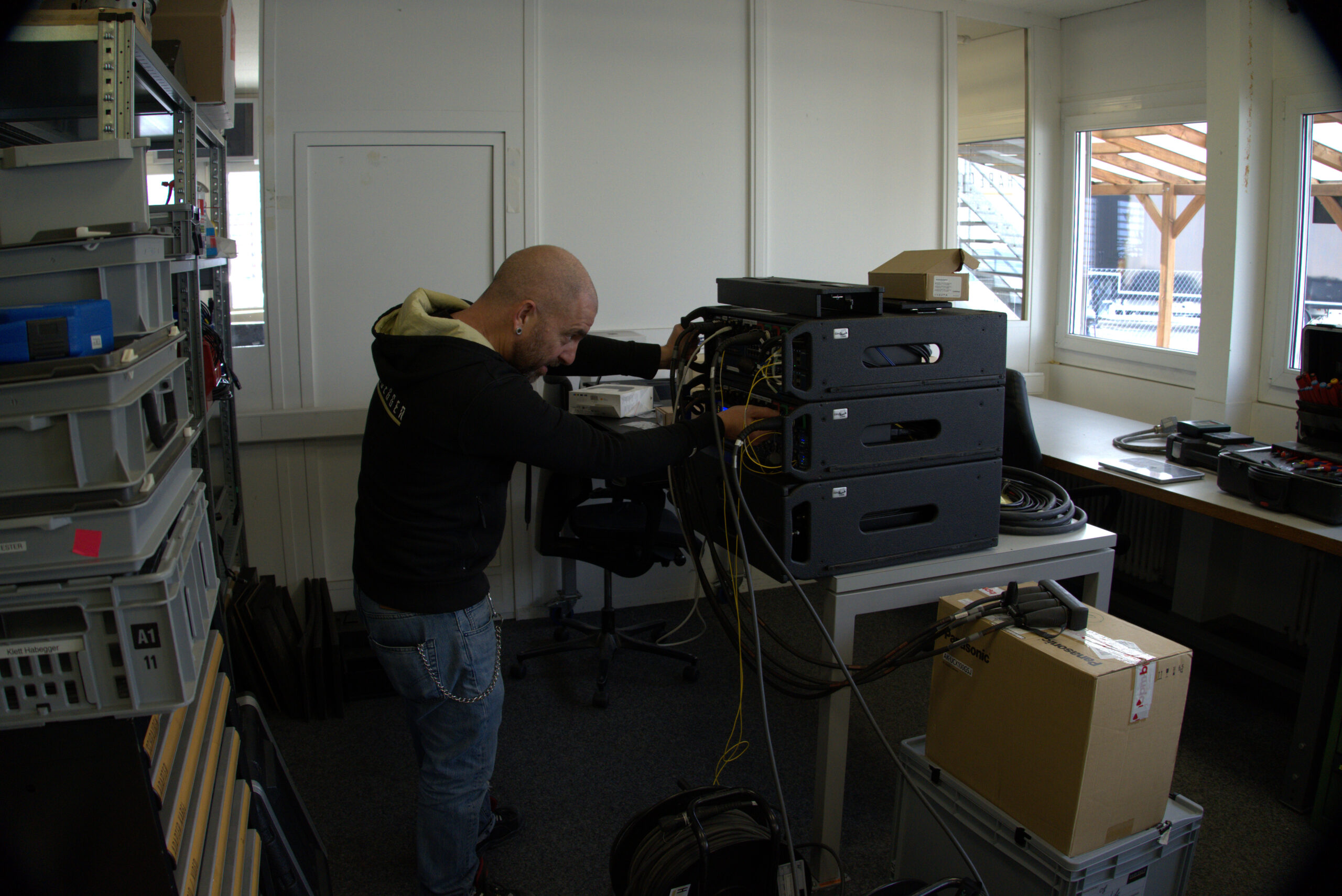
Michael repairing a sound system
Repair and maintenance are clearly at the heart of his work. The experienced multimedia electronics technician works exclusively with professional event equipment, which is significantly more complex than traditional home electronics and must function reliably in a wide variety of scenarios. The systems are flexible in their application, require sophisticated operation and often consist of complex signal chains in which individual links must be specifically checked. This poses particular challenges, as detailed manufacturer documentation is often lacking, which makes troubleshooting even more difficult.
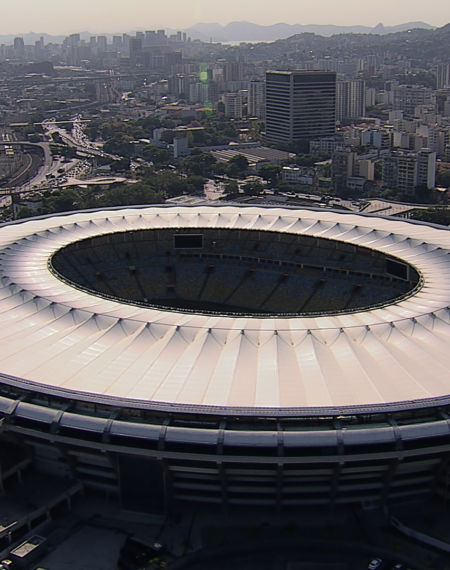
One project in particular stands out in Michael’s memory: providing emergency exit lighting for a European football club championship. A total of around 190 batteries had to be replaced. The biggest challenge was the poor availability of the required batteries. This led to an extremely tight schedule and required precise time management.
Together with my wife, I work 60% of the time – this gives us valuable time for our children. It’s great that Habegger supports this family model.
One of the biggest challenges is being able to trace errors. Defective devices are often only marked briefly with adhesive tape during production – frequently without a precise description of the error or contact person. This makes reproducing the error complex and time-consuming. It can take a long time before a problem is clearly identified.
A good basic understanding of technology, an interest in multimedia and openness to new technologies. Patience and strong nerves are also important. In previous support roles, the technology expert learned how to deal with stressed or annoyed people – a skill that still helps him today.
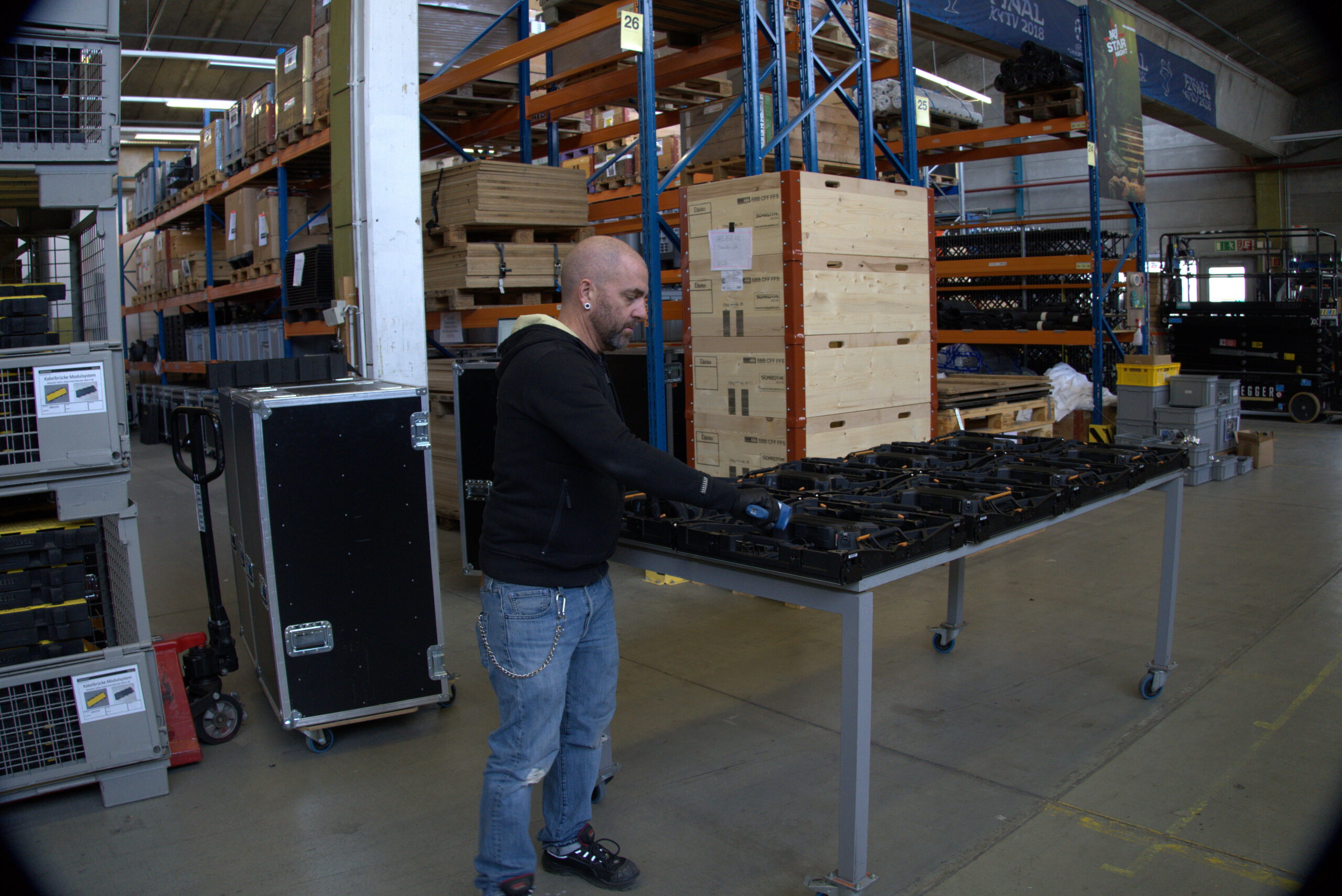
Michael scanning the LED walls
Michael particularly enjoys working in the events sector because of the modern, reliable equipment and the highly dynamic nature of the day-to-day work. Instead of simple consumer electronics, complex technical solutions are used that require precision and expertise. Knowing that the technology works reliably and that events run smoothly ensures satisfied clients and a strong sense of community within the team.
Subscribe to our newsletter and follow us on social media.